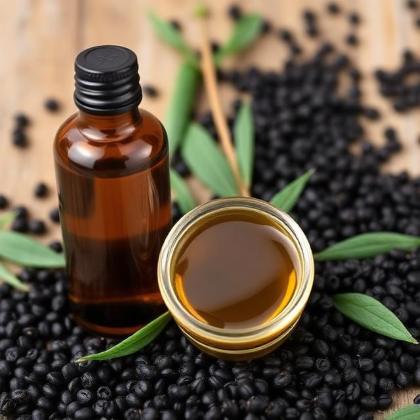
Often called black cumin oil or simply nigella sativa oil, its magic lies in three superstar compounds: thymoquinone, thymohydroquinone, and thymol. These bioactive molecules give black seed oil its antioxidant, anti-inflammatory, and immune-modulating properties. Today, we explore 14+ science-backed benefits, practical usage tips, safety guidelines, and answers to your most burning questions — all in one comprehensive guide.
Backed by randomized controlled trials, meta-analyses, and traditional wisdom, here’s how black seed oil supports whole-body wellness.
Clinical studies show that daily supplementation (1–2g) may lower fasting glucose and improve insulin sensitivity. It reduces metabolic syndrome risk factors by reducing oxidative stress and enhancing pancreatic function.
In randomized trials, participants taking black seed oil experienced significant reductions in BMI, waist circumference, and appetite scores — likely due to appetite-suppressing and metabolic-regulating effects.
Topical application reduces redness and bacteria thanks to its antimicrobial and anti-inflammatory actions. A 2020 study noted a 78% improvement in acne severity after using a black seed oil formulation.
Massaging black seed oil into the scalp can enhance hair density, reduce dandruff, and strengthen follicles. The antioxidants help combat scalp inflammation linked to thinning.
Nigella sativa has bronchodilator effects. In asthmatic adults, black seed oil improved lung function, wheezing, and reduced the need for rescue inhalers in controlled trials.
Thymoquinone inhibits MRSA, candida species, and other stubborn pathogens. It’s a natural ally against recurring fungal infections and skin microbes.
Research reveals improved sperm count, motility, and semen volume after 2–3 months of supplementation — making it a promising support for male reproductive health.
Meta-analyses confirm that black seed oil significantly lowers LDL cholesterol, total cholesterol, and systolic/diastolic blood pressure, reducing cardiovascular risk.
Preclinical studies highlight thymoquinone’s ability to induce apoptosis in tumor cells and inhibit metastasis. Though promising, human trials are ongoing.
Topical black seed oil applications help repigment vitiligo patches by modulating immune response and promoting melanocyte regeneration, according to early clinical reports.
Arthritis patients taking black seed oil experienced less joint swelling, morning stiffness, and lower inflammatory markers like CRP and ESR.
Antioxidant properties protect kidney tissues from oxidative damage; it improves creatinine and urea levels in those with chronic kidney challenges.
Helps relieve functional dyspepsia, bloating, and supports gut microbiota due to its antimicrobial and anti-inflammatory profile.
Multiple trials show that black seed oil reduces sneezing, nasal itching, and congestion — often as effectively as some antihistamines, with fewer side effects.
Black seed oil may be beneficial for individuals looking to support metabolic health, inflammation balance, skin conditions, or general immune function. However, it is not essential for everyone and should be used based on individual health goals and diet quality.
Typical dosage: 500 mg to 2,000 mg per day, split into 1–2 doses. Start with ½ teaspoon of liquid oil or one 500 mg capsule daily, gradually increasing. Always take with food to enhance absorption and reduce digestive discomfort. Studies often use 1–2 teaspoons daily for metabolic benefits.
Acne/eczema: Mix 1 part black seed oil with 2 parts jojoba or coconut oil and apply to affected areas. Hair mask: Massage oil into scalp, leave for 30–60 minutes before washing. For vitiligo, apply neat to depigmented patches after patch testing.
Drizzle a small amount over soups, hummus, or smoothies. The taste is peppery and slightly bitter — mixing with honey or lemon masks the flavor. Avoid high-heat cooking to preserve delicate phytochemicals.
💡 Pro tip: For best results, choose cold-pressed, organic, and third-party tested black seed oil. Store in a dark glass bottle, away from direct sunlight and heat to maintain potency. Shake before use, as natural sediments settle.
Black seed oil is generally well-tolerated, but mild side effects may include nausea, bloating, or allergic skin reaction (patch test before topical use). Who should avoid or consult a doctor first:
Choosing high-quality oil: Look for “100% cold-pressed”, “USDA organic” and brands that provide COA (certificate of analysis) ensuring high thymoquinone content. Avoid oils with additives or chemical solvents.
To see how black seed oil fits into your overall diet, use our nutrition calculator for a personalised breakdown of your daily intake and micronutrient requirements, powered by USDA data.
With consistent use, some notice improvements in energy and digestion within 1–2 weeks. For hair growth, fertility, or chronic skin conditions, expect 8–12 weeks of daily use. Consistency matters.
Yes, many people take it daily as a wellness supplement. Cyclical use (e.g., 3 months on, 1 week off) is also common. Always follow dosage guidelines and listen to your body.
They are essentially the same plant (Nigella sativa). "Black cumin" can sometimes cause confusion with Bunium bulbocastanum, but most high-quality “black seed oil” comes from Nigella sativa. Always verify Latin name on label.
Research suggests that combined with a healthy lifestyle, it modestly reduces waist circumference and visceral fat due to its anti-inflammatory and metabolic effects.
Consult a pediatrician before giving to children under 12. Low doses (100–200 mg) may be considered for immune support, but professional guidance is essential.
This guide is built on peer-reviewed studies and clinical trials to ensure accuracy and trust. Key references include:
For additional references, we encourage readers to explore the NIH PubMed database for thymoquinone and ongoing clinical trials.